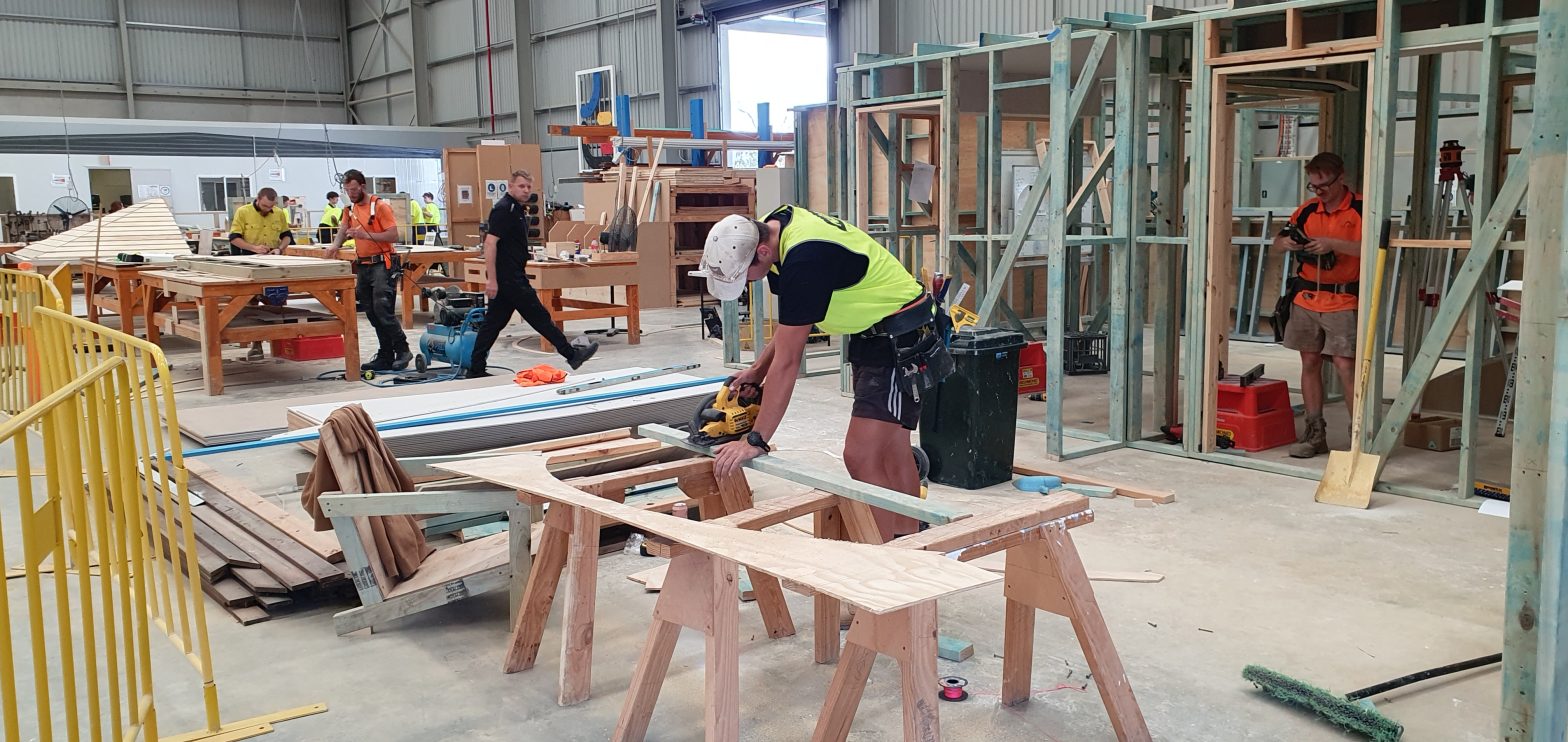
If you’re skilled with tools, enjoy building and crafting, and are looking for a job with plenty of variety, a career in carpentry might be perfect for you. As a carpenter, you’ll work with wood to create everything from house frames to intricate finishes, making spaces both functional and beautiful. Carpentry is a hands-on, rewarding profession, and the good news is that there is a strong demand for skilled carpenters in Australia.
Let’s go through the steps to securing a carpentry apprenticeship, including what to expect, potential earnings, and tips for getting started.
Why Choose a Career in Carpentry?
Carpentry is more than just hammering nails—it’s a skilled trade that offers significant career flexibility and numerous opportunities. Carpenters are essential in residential construction, commercial projects, renovations, and specialised areas like cabinetry and custom furniture making.
With Australia’s continuous housing developments and infrastructure projects, the demand for carpenters remains strong. Once you’re qualified, you can choose to work for a company, join a union, or even start your own business.
What is a Carpentry Apprenticeship?
A carpentry apprenticeship is a structured program that combines paid on-the-job training with classroom learning. You’ll work alongside experienced carpenters who will teach you the intricacies of the trade, and you’ll also complete coursework through TAFE or a similar training provider, like Skill Hire. Apprenticeships in Australia typically last four years and provide you with the skills and experience needed to become a fully qualified carpenter.
Interested? Read on for more information on the steps needed to become a carpenter.
Step 1: What Qualifications Do You Need to Become a Carpenter?
One of the best things about becoming a carpenter is that you don’t need prior experience or a university degree to start. Instead, you can earn your qualifications while working, making it an ideal choice if you’re eager to start earning and learning simultaneously. Here are the key steps:
- Complete an Apprenticeship: The most common path to becoming a carpenter in Australia is through a four-year apprenticeship. This program combines practical work experience with a Certificate III in Carpentry, a nationally recognised qualification that covers everything from on-site safety to advanced carpentry techniques.
- School Subjects (Optional but Helpful): While not mandatory, completing Year 10 (or even Year 12) with subjects like maths, design, or woodwork can be beneficial. These subjects provide a basic understanding of measurements, materials, and design principles.
- Pre-Apprenticeship Course (Optional): Some individuals opt for a pre-apprenticeship course in carpentry to learn fundamental skills and enhance their chances of securing an apprenticeship. Although not required, this can make you a more competitive candidate and give you a head start in the trade.
- CPC20220 Certificate II in Construction Pathways (10-week course)
- 52893WA Certificate II Building and Construction (Pathway – Trades) (1–2 years)
Step 2: Preparing your Application
- Create a Strong Resume: Highlight any relevant experience, education, and skills. Include any volunteer work, part-time jobs, or courses you have completed.
- Write a Compelling Cover Letter: Tailor your cover letter to the specific apprenticeship and company. Explain why you are interested in carpentry and how you can contribute to their team.
- Gather References: Collect references from teachers, employers, or mentors who can vouch for your skills and work ethic.
Step 3: How to Find a Carpentry Apprenticeship
Once you’re ready to begin your apprenticeship, there are several ways to find the right opportunity. Here’s how to get started:
- Search Job Boards: Look for apprenticeship openings on job boards, company websites, and government resources like the Australian Apprenticeships & Traineeships Information Service (AATIS) or the Australian Government’s Job Outlook website.
- Contact Local Carpentry Businesses and Contractors: Smaller carpentry businesses may not advertise apprenticeships online, so it’s a good idea to reach out directly. Send a short, friendly email or visit them with your resume to express your interest in carpentry and inquire about potential openings. Many businesses value initiative and may consider you when an opportunity arises.
- Join a Group Training Organisation (GTO): A GTO, like Skill Hire, hires apprentices and trainees and places them with various host employers. This is a popular option if you’re unsure where to start or want to gain experience in different areas of carpentry such as with construction companies, building firms, and trade organisations which all offer carpentry apprenticeships
- Network in the Trade Community: If you know anyone in construction or carpentry, ask if they know of any apprenticeships. Networking can be very effective in the trades, and a contact might lead to a job opportunity.
Step 4: Prepare for Interview & Follow-up
An interview is often the first time that your prospective new employer will meet you and it’s important to try and make the best first impression that you can. How to Ace an Apprenticeship Interview:
- Practice Common Interview Questions: Be ready to discuss your interest in carpentry, your relevant experience, and your long-term career goals.
- Dress Professionally: Make a good first impression by dressing appropriately for the interview.
- Send a Thank-You Note: After the interview, send a thank-you note or email to the interviewer. This shows your appreciation and keeps you on their radar.
A Day in the Life of a Carpentry Apprentice
As a carpentry apprentice, your daily tasks will vary depending on the project, which keeps the job interesting. You might spend your days measuring, cutting, and installing timber, working on building frames, and even assisting with complex projects like stairs or decking. Safety is a top priority, so you’ll receive training on proper procedures, safe equipment use, and working in different environments.
Expect early starts and physical work, as carpentry is a hands-on trade that often involves heavy lifting and using power tools. However, for many, the satisfaction of seeing a completed project and continuously learning new skills makes the effort worthwhile.
How Much Do Carpentry Apprentices Earn?
Carpentry apprentices in Australia typically start earning between $15 to $20 per hour, with wages increasing as you progress through the apprenticeship. In the first year, an apprentice might earn between $30,000 and $35,000 annually, while a third or fourth-year apprentice could earn around $45,000 per year.
Once you’re fully qualified, the average pay for a carpenter ranges from $70,000 to $90,000 per year, with the potential to earn more based on experience, location, and whether you decide to work independently.
Is It Hard to Become an Apprentice Carpenter?
Securing a carpentry apprenticeship isn’t necessarily difficult, but it can be competitive, especially in areas with a high number of applicants. Since most apprenticeships don’t require prior experience, employers often look for candidates who demonstrate enthusiasm, reliability, and a willingness to learn. Here are a few things that can help you stand out:
- Positive Attitude: Showing a keen interest in the trade and a readiness to learn can make a significant difference.
- Basic Skills: While you don’t need to be an expert, familiarity with tools and comfort with physical work are valuable.
- Work Experience: Any hands-on experience, even from home DIY projects, can be a great talking point in interviews.
Benefits of a Career in Carpentry
Carpentry is a stable and rewarding career, offering a variety of benefits:
- High Demand: With ongoing construction and renovation projects across Australia, qualified carpenters are always needed.
- Variety: You’ll work on a wide range of projects, from new homes and offices to custom designs and remodels, keeping your work engaging.
- Earning Potential: Once qualified, you can work for a company, join a union, or start your own business, providing numerous opportunities to earn a good income.
- Skill-Building: Carpentry skills are incredibly valuable and can be useful in many aspects of life, from building furniture for friends to renovating your own home.
Tips for Success as a Carpentry Apprentice
It’s hard to say what a typical first day will be like as an apprentice as every business, site and team will be different – read our blog on our 10 tips to help you thrive on your first day.
- Stay Open to Learning: Carpentry requires a lot of skill and knowledge, and you’ll be learning on the job every day. Be patient, absorb as much as you can, and don’t hesitate to ask questions.
- Show Up Ready to Work: Punctuality and reliability are crucial in the trades. Arrive on time and be prepared to tackle the day’s tasks.
- Take Safety Seriously: Carpentry involves power tools, heights, and other risks. Always follow safety guidelines and wear the appropriate protective gear to ensure your well-being.
- Look After Your Tools: Tools are a carpenter’s best assets, so take good care of them and learn to use them properly. Many apprentices invest in their own basic tool set as they advance, which shows commitment to the trade.
Ready to Start Your Carpentry Journey?
A career in carpentry can be incredibly fulfilling, offering stable employment, solid earnings, and a diverse range of projects. Whether you’re just finishing school or looking for a hands-on career change, a carpentry apprenticeship could be your path to a rewarding future. With the right mix of dedication, skill, and enthusiasm, you’ll be well on your way to success in one of Australia’s most essential trades. Skill Hire is both a training provider and employer for carpentry apprentices – enquire now.